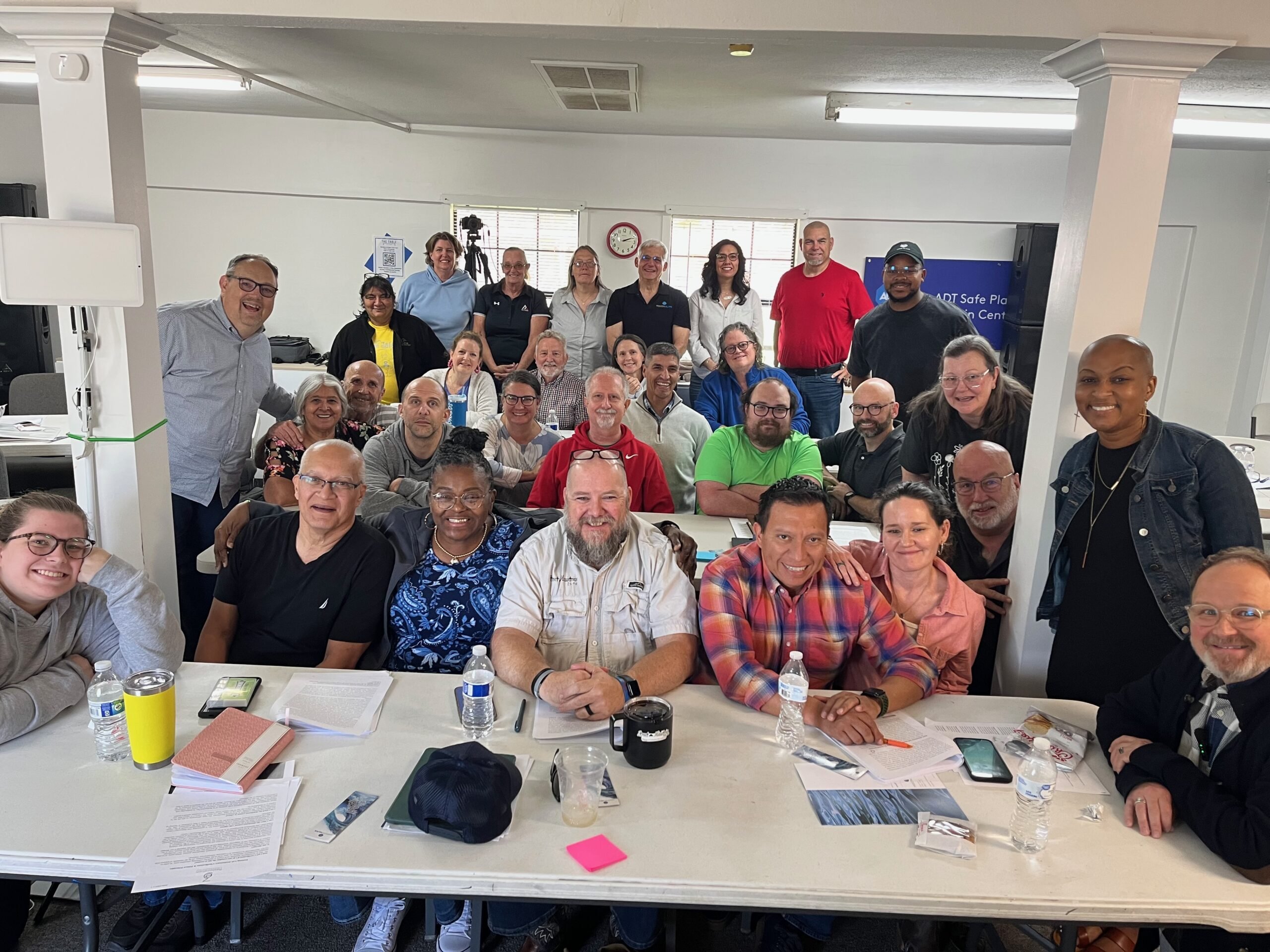
The impact of the 3eRestoration Trauma Responsive Care Workshop sponsored by Mission Alive was powerful. Many of our IFC leaders were there along with church leaders, lawyers, therapists and others that deal with people impacted by trauma on a daily basis.
We asked our IFCs to keep three questions in mind as they listened to the material presented by Dr. Fred Liggin. Below we share one IFC leader’s responses because they beautifully articulate how trauma affects the daily work of our leaders and the impact the training can have on their communities.
How do I imagine this information will be helpful with the people we engage with?
Within our IFC community, trauma operates as a silent force that affects everyone we encounter through our work. Two years ago, I was drawn to this training due to its unique focus on theology related to trauma responsive care. Trauma often leads to isolation and fear, hindering individuals from fully engaging in community life. Our mission involves learning how to support them and guide them through their healing process. By equipping ourselves with the knowledge and skills from this training, we can effectively assist individuals in overcoming their trauma, breaking free from fear, and fostering a sense of belonging within our community.
How do I see trauma operating among the people in our IFC community?
The effects of trauma on parents and grandparents also impacts in big ways children and families generationally. Embedded in the daily struggles of our people are layers of trauma stemming from racism, developmental challenges such as autism, mental health issues like schizophrenia, bipolar disorder, depression, etc. as well as addictions and past mistakes leading to jail time. These experiences, rooted in episodes of abuse, loss, or societal judgment, have woven a complex web of wounds that often hold individuals back from seeking a better life. At the core of our work lies the collective belief that nobody should be defined by their pain and while the healing journey may not be instantaneous, our commitment is unwavering in helping individuals reclaim their stories, breaking free from the confines of their trauma.
How will the training impact our IFC?
After hearing this material, our team has witnessed a transformation. The newfound understanding of trauma through the lens of Scripture has sparked a collective realization that trauma is not a mere societal construct but a profound experience rooted in individuals’ lives. This shift in perspective has united our leaders with a shared purpose, empowering them to confront their own past trauma and embark on a journey of healing. Moving forward, we are compelled to deepen our relationships with those we serve, fostering genuine connections through dedicated, purposeful, empathetic time and support. We discussed the need to embrace patience and compassion on an even larger scale, especially towards individuals grappling with mental health challenges, developmental disabilities, or addictions. We have the responsibility of embodying the core essence of the Gospel – to show unwavering, unconditional love and empathy for others and guiding others toward the hope Jesus promises in John 10:10, that we might have a full and abundant lives.